
Optimal Timing for Interior Painting
Interior painting projects are influenced by seasonal weather patterns, humidity levels, and indoor conditions. Optimal timing ensures high-quality finishes and longer-lasting results. Generally, the best periods are during moderate temperatures with low humidity, which facilitate proper drying and curing of paint.
These seasons offer mild temperatures and lower humidity, making them ideal for interior painting projects. The moderate climate allows paint to dry evenly and reduces the risk of issues caused by extreme weather.
High summer temperatures can cause paint to dry too quickly, leading to uneven finishes. Cold winter months may result in slow drying and potential moisture issues indoors.
Choosing a time when indoor heating or cooling systems are stable can improve paint adhesion and drying times, regardless of outdoor weather.
Scheduling during periods of low activity and minimal disruptions can ensure a smooth painting process and better results.
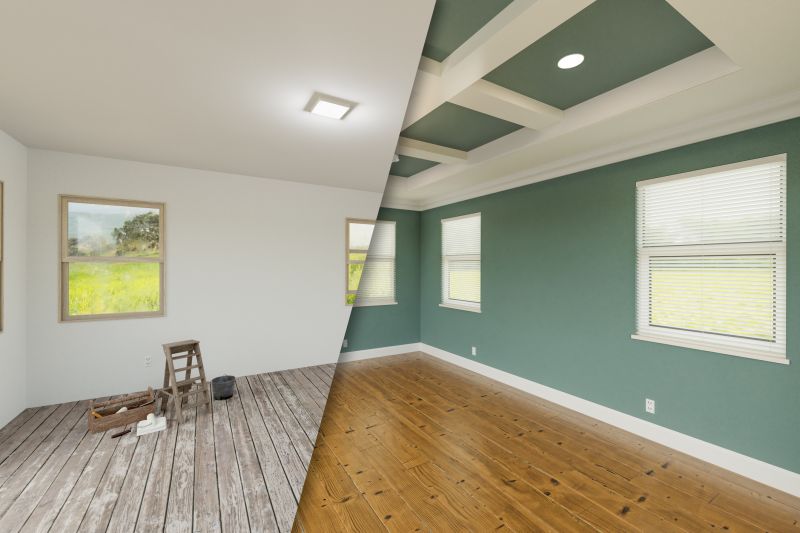
Ways to make Interior Paintings work in tight or awkward layouts.
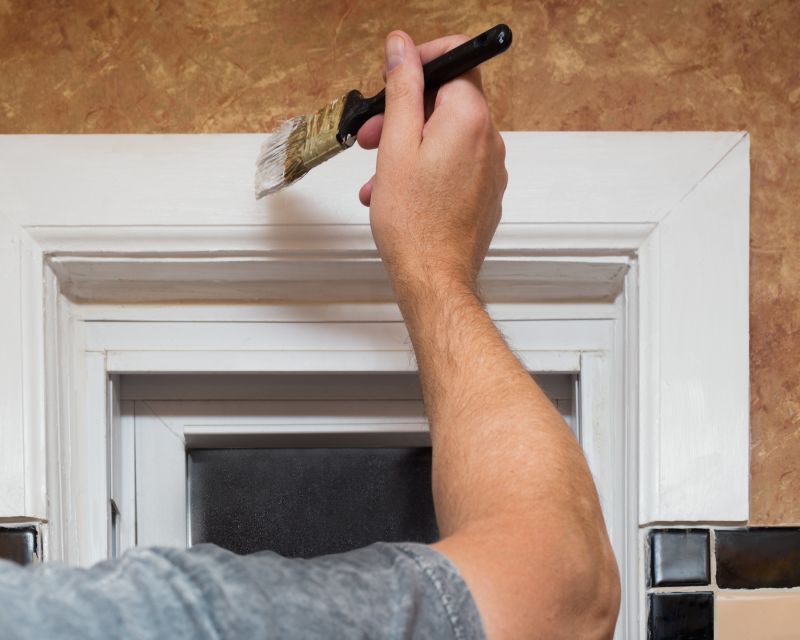
Popular materials for Interior Paintings and why they hold up over time.
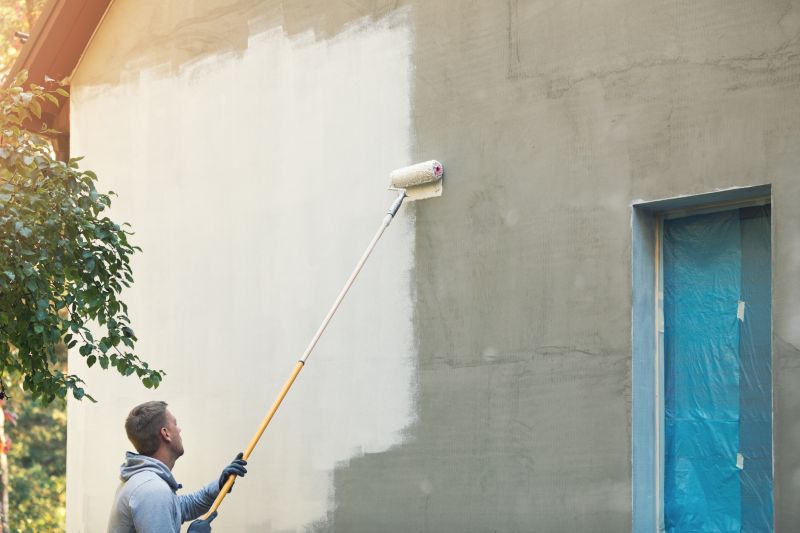
Simple add-ons that improve Interior Paintings without blowing the budget.
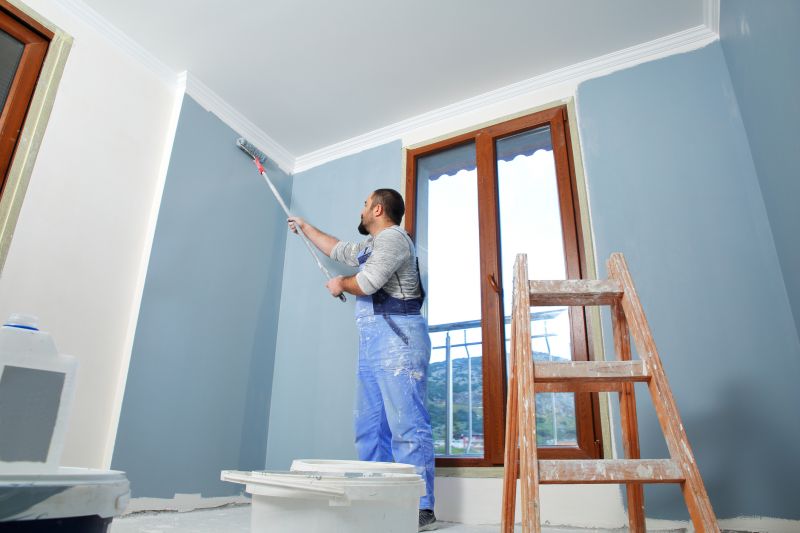
High-end options that actually feel worth it for Interior Paintings.
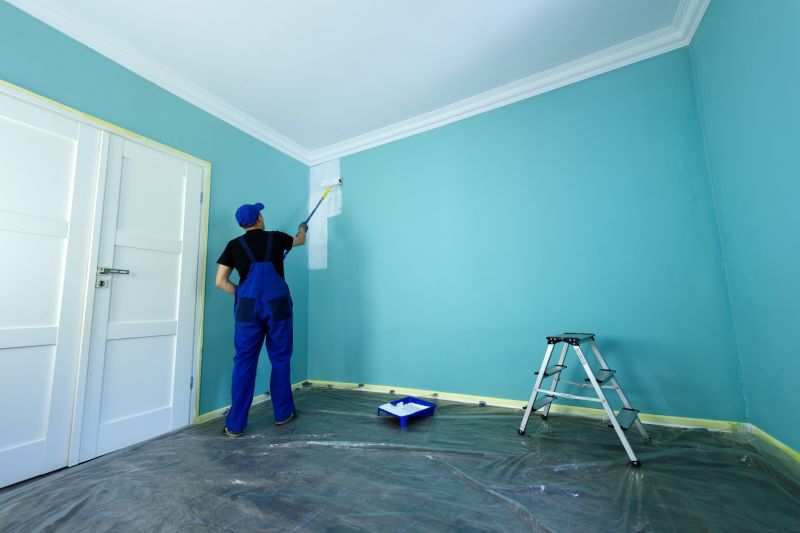
Finishes and colors that play nicely with Interior Paintings.
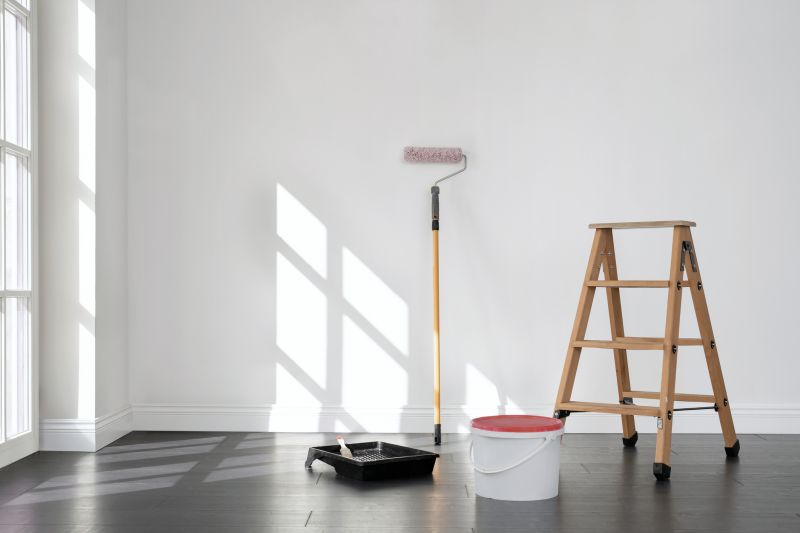
Little measurements that prevent headaches on Interior Paintings day.
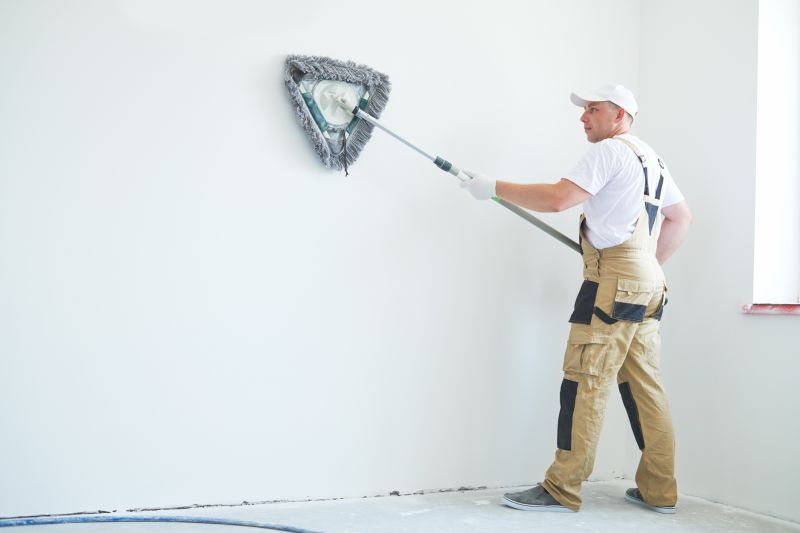
A 60-second routine that keeps Interior Paintings looking new.
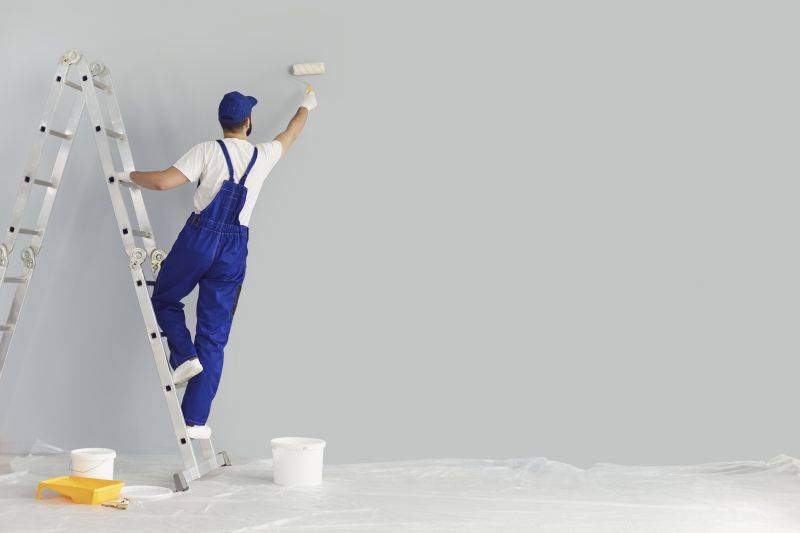
A frequent mistake in Interior Paintings and how to dodge it.
| Season | Advantages |
|---|---|
| Spring | Mild temperatures and low humidity facilitate even drying. |
| Fall | Ideal climate conditions for long-lasting paint finishes. |
| Summer | High temperatures may cause rapid drying and uneven coats. |
| Winter | Cold and moisture can hinder proper curing indoors. |
| Year-round | Indoor climate control can mitigate seasonal challenges. |
Interior paintings can significantly enhance the aesthetic appeal of a space, adding value and personality. Proper timing ensures the best results, with optimal drying, adhesion, and finish quality. Selecting the right season and indoor conditions can prevent issues such as peeling, cracking, or uneven color distribution. Statistics indicate that projects scheduled during moderate weather conditions tend to have a 20% higher success rate in achieving desired finishes and durability.
Understanding the influence of seasonal factors on interior painting can help in planning projects effectively. It is recommended to avoid painting during periods of high humidity or extreme temperatures. Proper preparation, including surface cleaning and priming, combined with optimal timing, results in a more durable and visually appealing interior. For those interested in scheduling an interior painting project, filling out a contact form can facilitate planning and consultation.